Why Maldivian Grandmothers Shut the Door at Maghrib
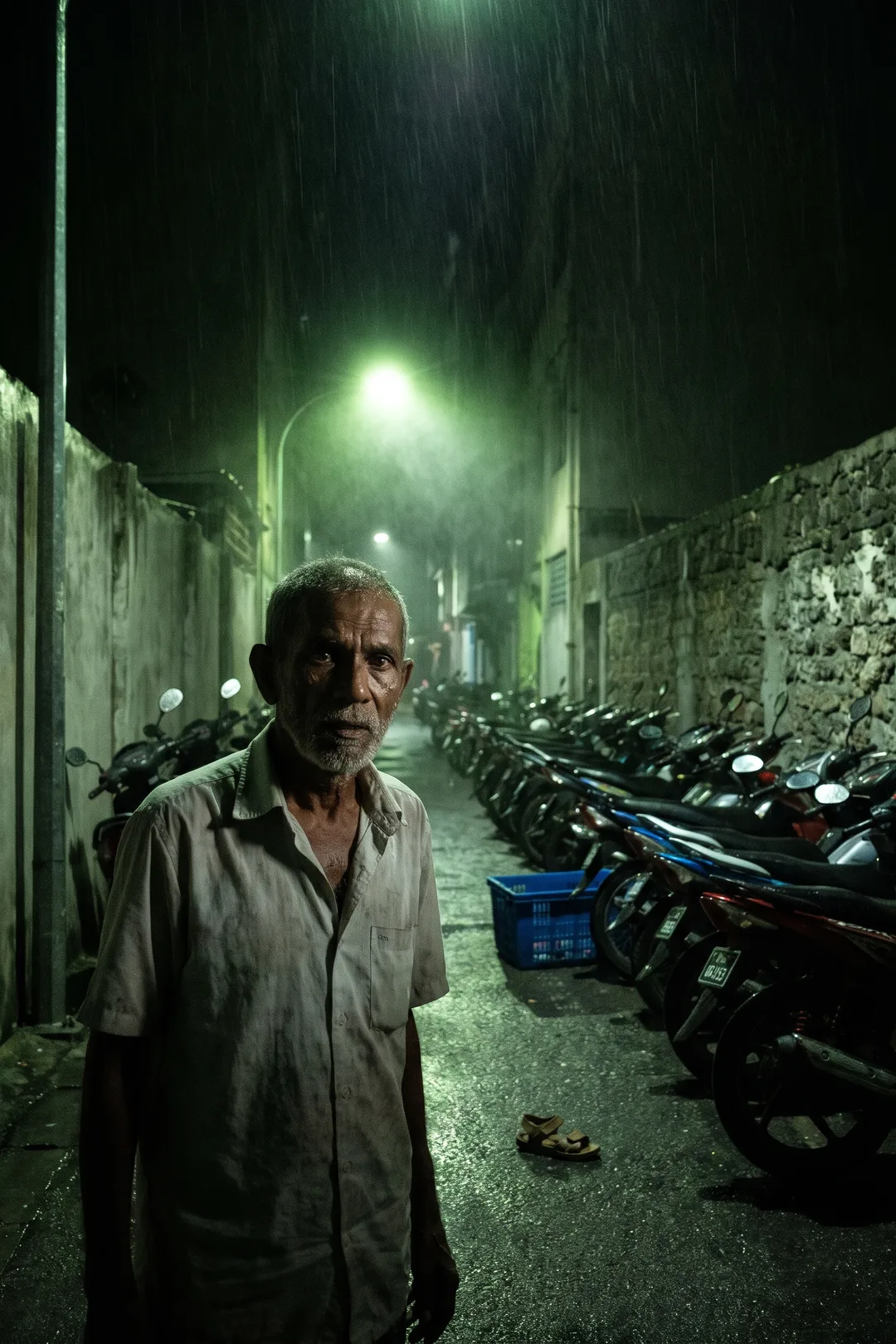
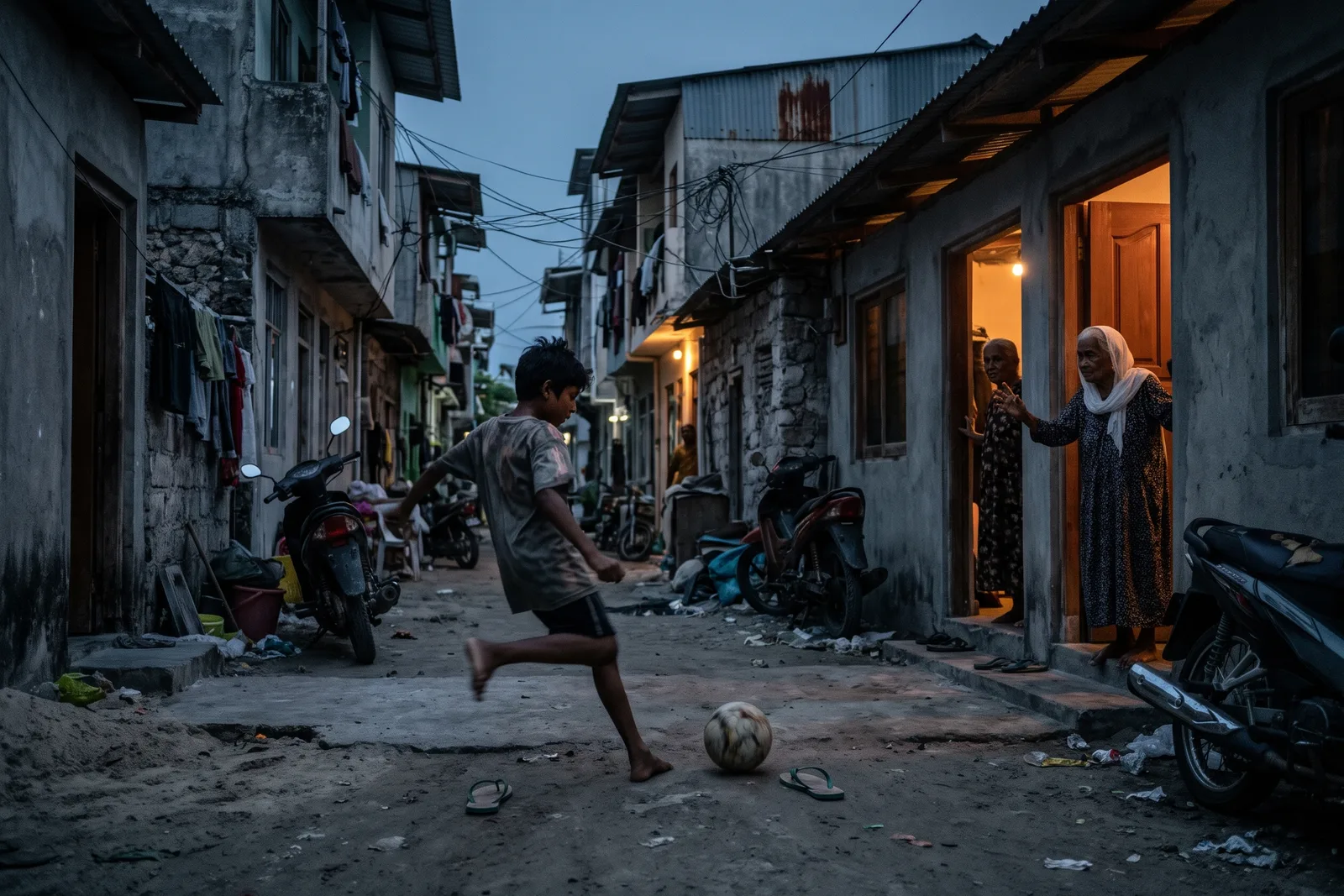
In Moosa's lane in Malé, the Maghrib azan from the two nearest mosques started a breath apart, so for a minute the calls overlapped above the parked motorbikes and the washing on the railings. In his house, that minute was when Maama's rules began.
Maama lived on the ground floor with her daughter's family because her knees had given up on stairs, and she was at the door before the second call had properly started. "Moosa! Inside."
Moosa was eleven and had the ball at his feet, with nobody between him and the two flip-flops that made the goal. "One more, Maama. One. I'm about to score."
"Now."
Down the lane other grandmothers were at other doors, calling other boys, one name at a time, and the match came apart as each name was called. Moosa kicked the ball anyway. It went wide. He came in, left his slippers with the others outside, and dragged his heels over the doorstep, where nobody in that house sat after dark, so she would hear him do it.
His cousin Hawwa, who was six and stayed with them most evenings until her father finished work, was already on the floor with her crayons. Maama shut the door with her palm flat on the wood, said Bismillah under her breath, shot the bolt, and switched on the corridor light, which stayed on until morning.
"Why do we shut it?" Hawwa asked.
"Because they are out now."
"Who?"
Maama didn't answer. She tested the bolt again.
"That's not a reason," Moosa said. "Everyone says that, and it's not a reason." She didn't argue with him. She never argued about the door. A door shut without Allah's name, she'd said once, was only wood.
He threw himself on the sofa and whistled the tune from the football programme, loudly and badly, because he knew it would annoy her. Hawwa joined in, worse. Maama stopped halfway to the kitchen. "Whistling after dark calls them to you."
"Where's that written?"
"My mother said it. That was enough for me." Hawwa had already stopped and was looking at Moosa to see what would happen to him, so he stopped too.
In the kitchen Ammaa, Moosa's mother, was cooking, and the lid of the big blue drinking-water jar was somewhere under the onion skins on the counter. Maama didn't look for it. She took a wooden ladle from the rack, said Bismillah, and laid it across the mouth of the jar. Hawwa, who had followed her in, laughed. "That can't keep anything out. There's gaps."
"Even something laid across is enough," Maama said, and she didn't laugh. Ammaa found the lid twenty minutes later, screwed it on, and left the ladle lying on top because that was easier than discussing it.
Then Ammaa drained the rice, carried the steaming pot to the bathroom and tipped it down the drain without a word, and from the sitting room Maama said, loudly, "Bismillah," on her behalf. Ammaa called out sorry and pulled a face at Moosa through the kitchen door.
"The jinni live down there," Maama told Hawwa, who wanted to know why. "In drains, in wet places. You pour boiling water on someone's house without warning them, they're angry. My mother said they follow the one who poured it."
"There's only rice down there," Moosa said.
"Then it costs you nothing to say it." Hawwa looked at the bathroom door for a long time and asked if she could sleep in Maama's room.
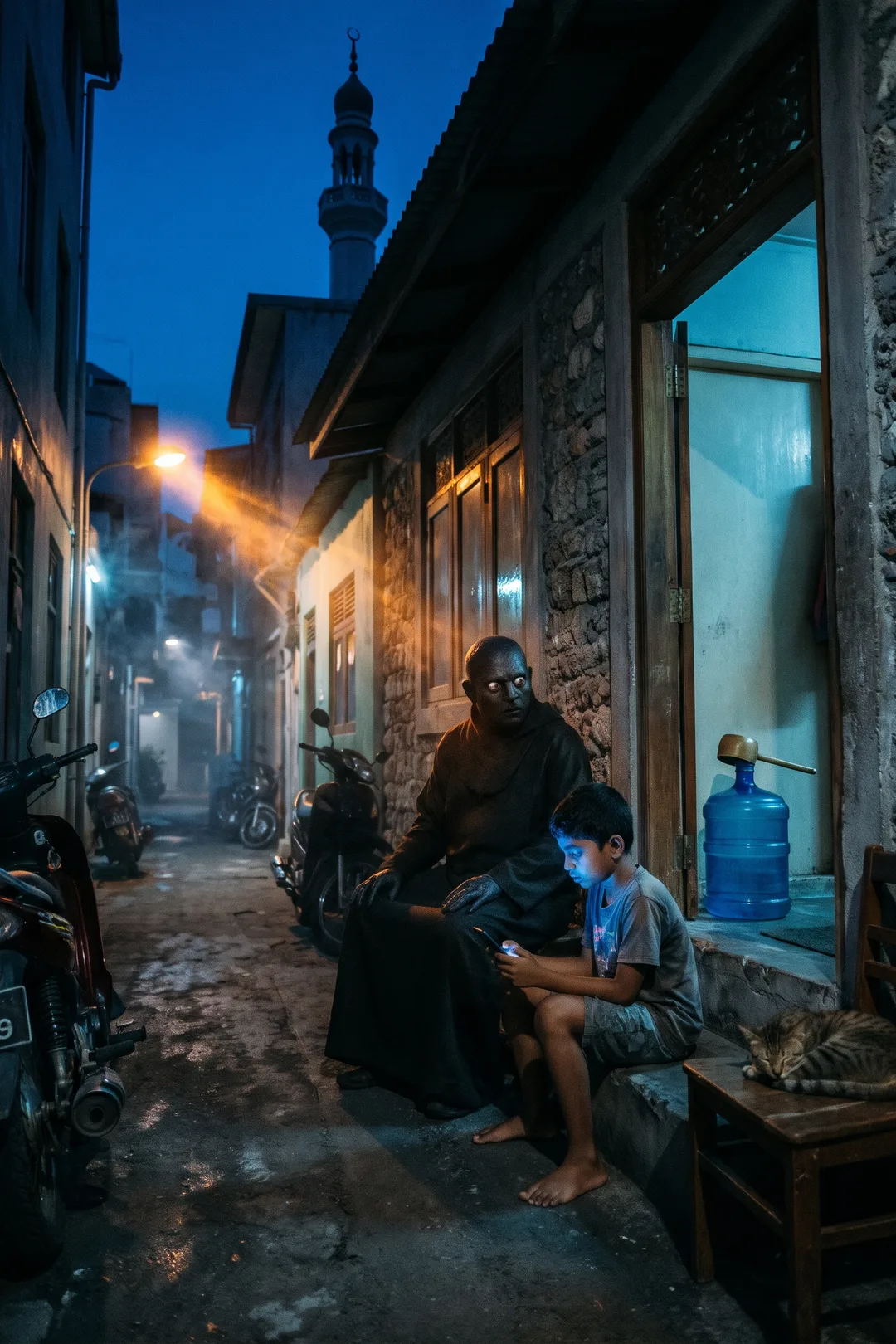
When Maama went to her room to pray Maghrib, Moosa took Ammaa's phone off the charger. His friend from down the lane had said he'd post the end of the match, and inside there was one bar by the window and the video kept freezing. He slid the bolt back slowly so it wouldn't knock and sat on the doorstep with his bare feet in the lane. Two bars. The sky was still dark blue over the rooftops, and a cat was asleep on a motorbike seat across the lane. Hawwa stood in the corridor behind him with a crayon in her hand and didn't come any closer.
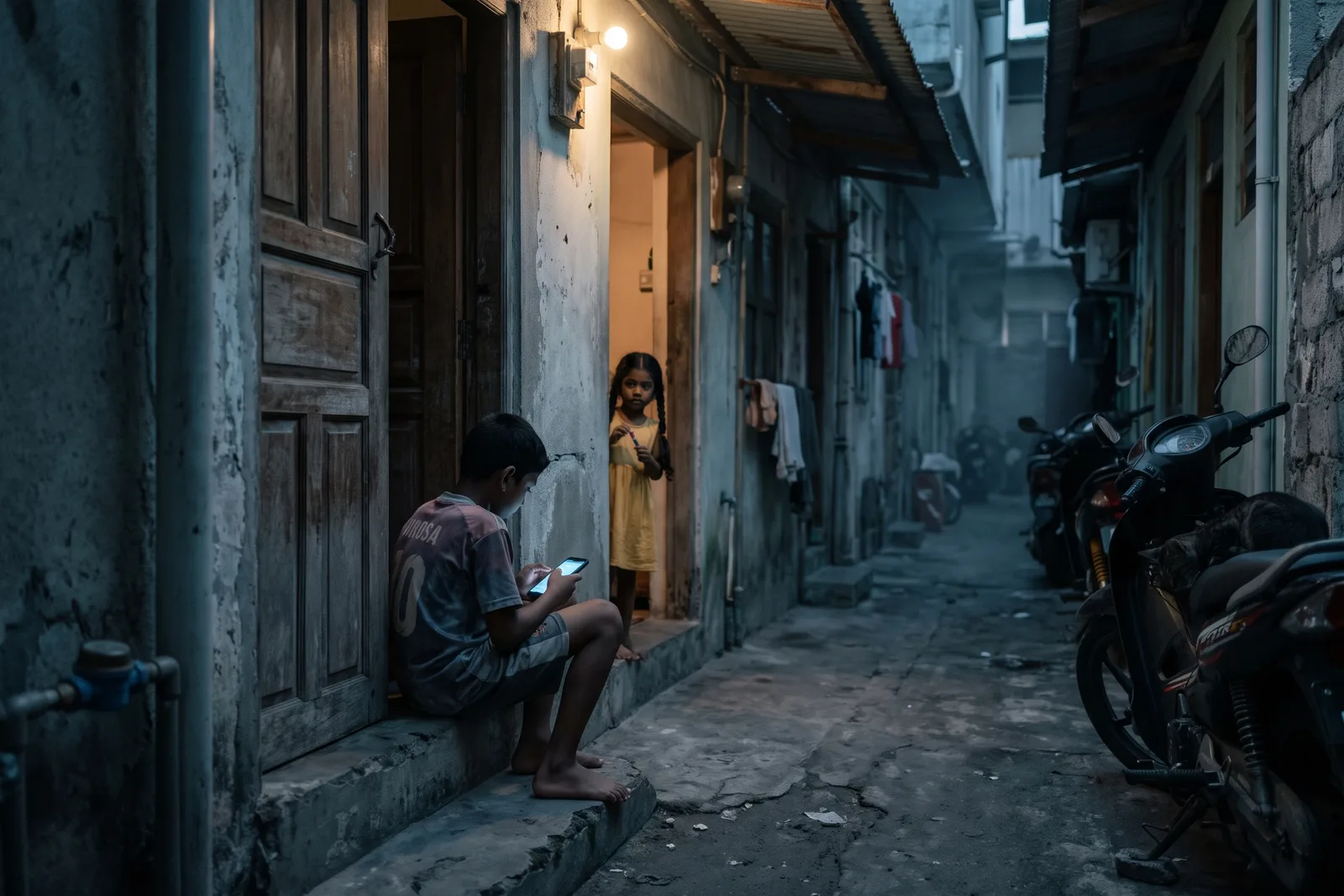
He had watched maybe three minutes when Hawwa turned and ran to Maama's room, and then Maama took him by the collar and pulled him back over the step, not roughly, the way she'd lift a pot off the stove. "On the step," she said. "Of all the places." She shut the door and said Bismillah, and it took her three tries to get the bolt across. "You don't sit on the step."
"Why?"
She sat down on the plastic chair by the door and rubbed her knee, and for a while she didn't say anything. Then she told it the way her mother had told it to her. There had been a girl on her grandmother's island, long before her own mother was born, older than Moosa, fourteen or fifteen, nobody knew exactly. The house was hot, and every evening after the bang, the call to prayer, the girl sat on the step, because the boys walked past it on the way to the mosque.
One night she came in with a fever, and it stayed for weeks. She couldn't keep water down. And every evening, when the bang started, she asked her mother to tell the man to get up off the step. He'd been sitting there long enough, she said. Her mother opened the door and showed her: nobody. The girl said he was there. The next evening she asked again, at the same time, and the evening after that. After a while they stopped opening the door to show her, and she kept asking anyway. Her father read Quran beside her mat in the evenings, and her brothers took turns sleeping on the floor just inside the shut door.
"And then?" Moosa asked.
"Some said she got well. Some said she was never right after. My mother heard it both ways." Maama shrugged. "Everyone in that house took it that a jinni had sat down beside her and stayed."
"Was it true?"
"How would I know? My mother told me, and her mother told her."
"But where does the rule come from?"
Maama thought about it. "From her," she said, and he couldn't tell if she meant the girl or her grandmother.
It wasn't the jinni that stayed with him. It was the girl on the step, alone, while everyone else was shut in. And it was the bolt, which Maama had shot a hundred times without looking, taking her three tries. That night he lay awake listening to the door, and he didn't sit on the step after dark again.
After Isha the older boys started the game again under the streetlight, and by the shouting somebody had scored. Moosa asked if he could go out. "Nobody goes out once the door is shut," Maama said. As long as she lived, nobody in that house did.
She died the year he finished school. In the week after the funeral, while the house was still full of relatives, the Maghrib azan started, and Ammaa got up from among them, went to the door, laid her palm flat on the wood, said Bismillah, shot the bolt, and came back and sat down. Nobody said anything. Later, renting a room on his own, Moosa caught himself laying a spoon across the glass of water by his bed, and he left it there.
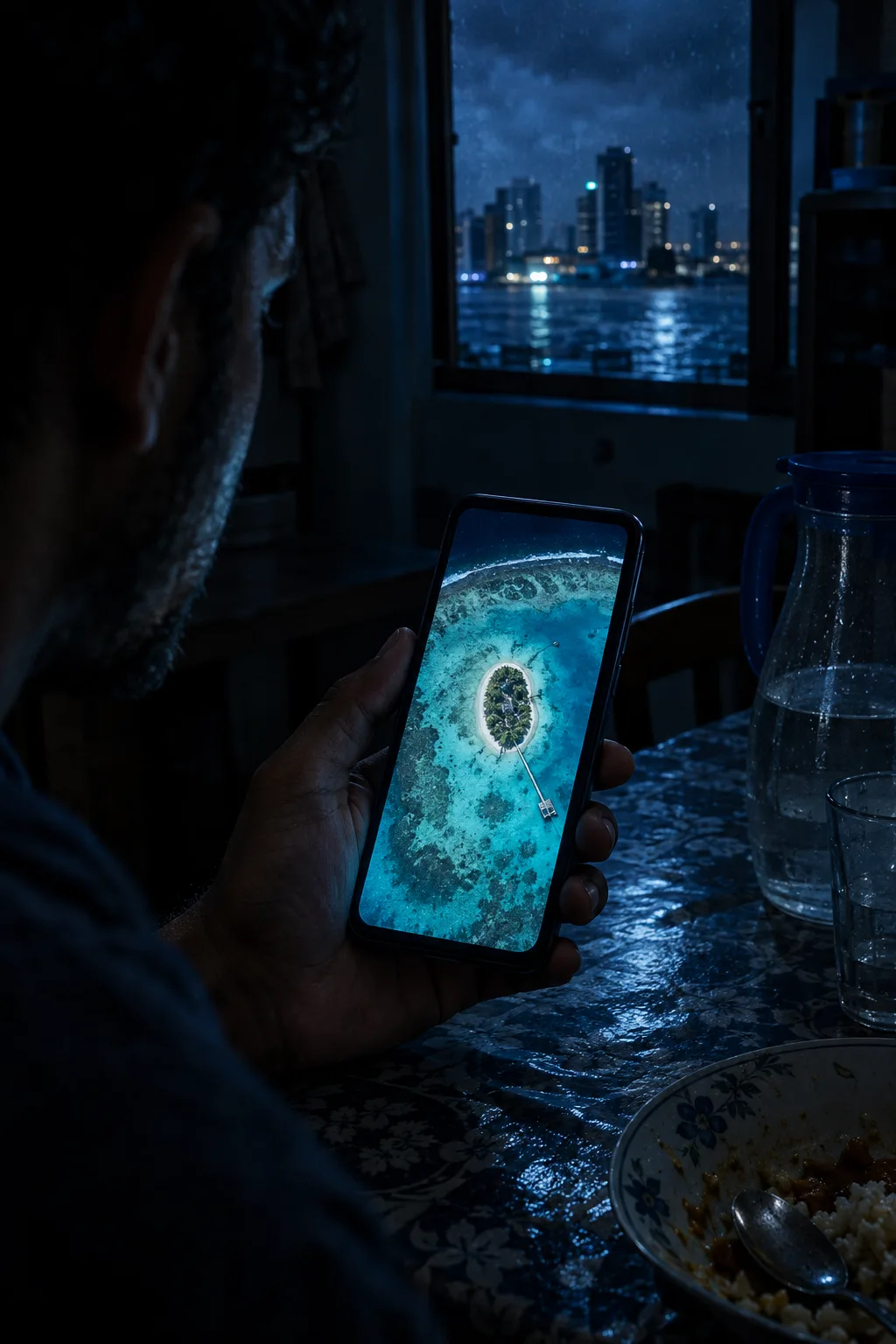
Years after that, his daughter was four and stood at the door every evening when the azan started, asking for the lane. He told her no the way he had been told, and one night she asked him why, and all he had was "Because they are out now." So he looked it up.
It is a hadith narrated by Jabir ibn Abdullah and recorded in Sahih al-Bukhari and Sahih Muslim. The translation he found said, near enough: when night falls, keep your children close, for the shayateen spread out at that time; when part of the night has passed, let them go. Shut the doors and mention Allah's name, for shaytan does not open a shut door. Tie your waterskins and mention Allah's name. Cover your vessels and mention Allah's name, even if you only lay something across them. Put out your lamps.
He read "let them go" three times. Then he sat with the phone face down on his knee while his daughter coloured on the floor, and through the shut door the boys in the lane were arguing about a goal.
He had sat inside most nights from eleven until he left school. He remembered the window with its bars, guessing the score from who was shouting, Hawwa asleep on Maama's bed, and Maama on the plastic chair by the door every evening after her prayer, rubbing her knee, between him and the lane. He didn't think she had kept the second half from him. She had never once opened the door after Isha. He thought her mother had never given it to her. And if someone had read it to her, he could hear her answer: who decides when part of the night has passed? She would have kept the bolt shut anyway, and sat up beside it. The lamps he didn't know what to do with. The ones in the hadith had flames, and Maama's had been a bulb in the corridor. In the end he left his corridor light on, the way she had.
He kept his daughter in through Maghrib, with the door shut and Allah's name said over it. After Isha he opened the door, said Bismillah, and walked her down to the streetlight, where the bigger children were still playing, and stood at the edge with his arms folded until she was tired. When they came in he shut the door with his palm flat on the wood. He sent what he'd found to Hawwa, a grown woman by then, who still said Bismillah before she poured anything down a drain.

Should this become an Enigma video?
0 votes
Comments
Be kind. An editor checks every comment before it appears.
No comments yet. Be the first.